
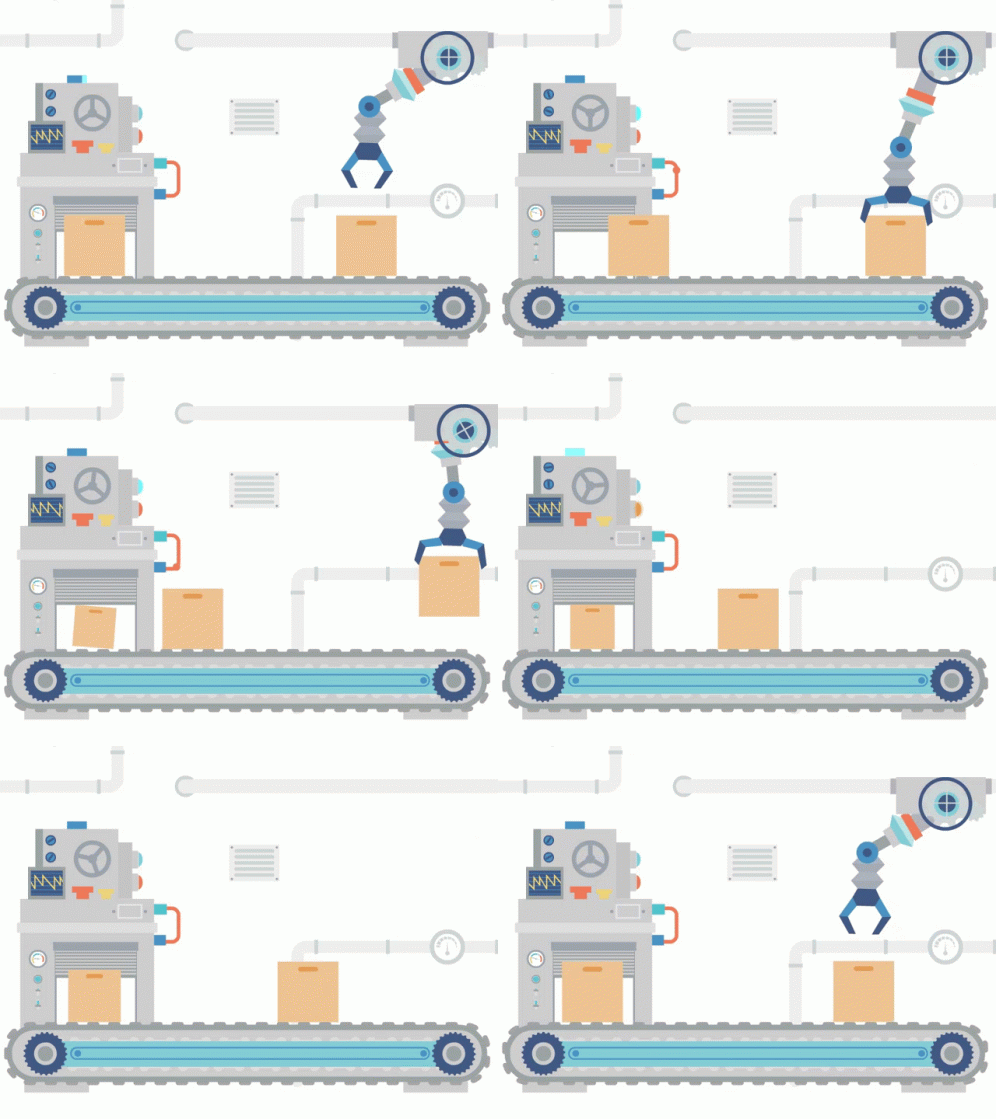
Machine
- Accurate and Consistent Feeding
- Versatility
- Integration with Printing and Inspection Capabilities
- Easy to Operate
- Low Maintenance
- Cost-Effective

Software
- User-Friendly Interface
- Real-Time Data Tracking
- Seamless Integration
- Advanced Inspection Capabilities
- Customizable Settings
- Customizable Print Layouts

Vision system
Advance algorithms for OCR checks for its result.
Smart OCR able to read all types of fonts.
Artwork / Logo Pattern Matching.
Can decode most of codes available in the food and
pharma industry.
Multi language reading of batch details.
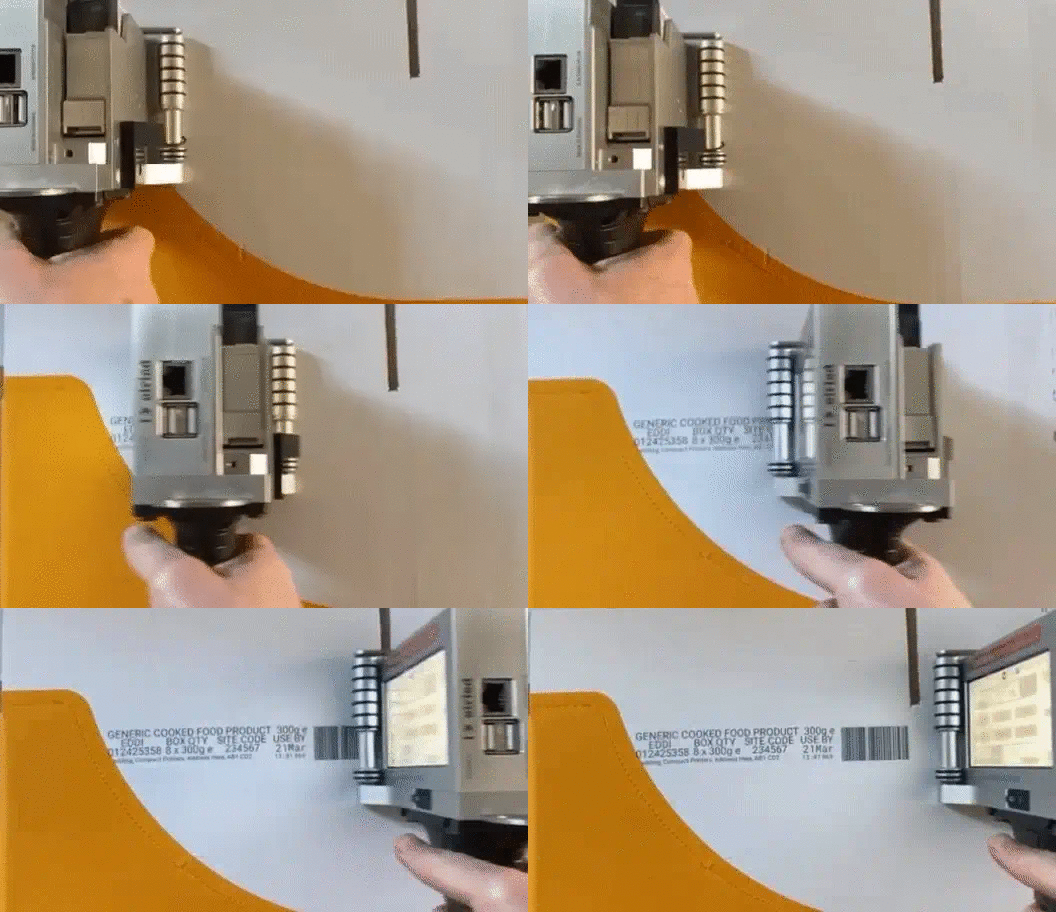
Printing
Solutions & Products
Start with the manufacturing outcome—not a catalogue. We define the inspection, control, identity, motion and data interfaces around the application.
Connected engineering for production systems.
Industrial Automation & Control Panels
PLC, HMI, SCADA, drive and electrical control engineering for machines, production lines and process systems.
Control architecture designed around the process, operator and maintenance requirement. The scope is defined around the production process, required interfaces, acceptance criteria and lifecycle support.
Common manufacturing problems
- Obsolete or unsupported controls
- Manual sequences and inconsistent operation
- Limited process visibility
- Difficult troubleshooting and maintenance
- Disconnected machines and production data
Key capabilities and technologies
- PLC programming
- HMI and SCADA development
- VFD and servo integration
- Electrical control panel engineering
- Industrial networking
- Machine and process automation
- PLC migration and retrofits
- Testing and commissioning
Typical system architecture
- Field devices
- Safety and control hardware
- PLC / motion control
- HMI / SCADA
- Plant data interface
Relevant applications
- Production Data Acquisition
- Control Panel Retrofitting
- PLC Migration
- Machine Control Automation
Relevant industries
- Automotive
- Packaging
- FMCG
- Food & Beverage
- General Manufacturing
Frequently asked questions
Can an existing control panel be upgraded?
Yes. The engineering scope normally starts with an I/O, drawings, hardware condition and software audit before an upgrade path is proposed.
Can new controls connect to existing machines?
Integration feasibility depends on the available signals, protocols, safety architecture and access to existing programs. These are reviewed during application study.
Do you support commissioning?
Commissioning and operator or maintenance handover can be included in the project scope.
Machine Vision Systems
Camera-based inspection systems for presence, defects, dimensions, codes, text, position and assembly verification.
Inspection logic, optics, lighting, handling and reject control engineered as one system. The scope is defined around the production process, required interfaces, acceptance criteria and lifecycle support.
Common manufacturing problems
- Manual inspection variation
- Defects escaping at production speed
- Unreadable or incorrect codes
- Missing components or assembly errors
- No inspection record for traceability
Key capabilities and technologies
- Presence and absence inspection
- OCR and OCV
- Barcode and QR verification
- Dimensional inspection
- Surface and defect detection
- Color and pattern inspection
- Camera-based measurement
- PLC and reject integration
Typical system architecture
- Product handling
- Lighting and optics
- Industrial camera
- Inspection software
- PLC / reject / data interface
Relevant applications
- Barcode & QR Inspection
- OCR / OCV Inspection
- Vision-Based Component Measurement
- Surface Defect Detection
- Part Presence Inspection
- Assembly Verification
Relevant industries
- Automotive
- Auto Components
- Pharmaceutical
- Packaging
- FMCG
- Electronics
Frequently asked questions
What information is needed for a vision feasibility study?
Representative good and defective samples, defect definitions, part variation, line speed, available space and the required pass/fail action are useful starting inputs.
Can the system inspect more than one feature?
A vision station can combine multiple checks when the imaging conditions, cycle time and product presentation support them.
Can inspection results be stored?
Result storage and traceability can be designed into the architecture based on data volume, retention and plant-system requirements.
Track & Trace Systems
Barcode, QR and RFID-enabled traceability from device-level capture through line, site and enterprise integration.
A reliable digital thread connecting identity, process events and production records. The scope is defined around the production process, required interfaces, acceptance criteria and lifecycle support.
Common manufacturing problems
- Incomplete product genealogy
- Manual batch records
- Disconnected labeling and verification
- Slow investigation of production history
- Traceability gaps between line and enterprise systems
Key capabilities and technologies
- Product and batch traceability
- Serialization and aggregation
- Barcode and QR traceability
- Industrial identification
- Data acquisition
- Manufacturing genealogy
- Production tracking
- ERP / MES interface engineering
Typical system architecture
- L1 devices and identification
- L2 station control
- L3 line or work-centre coordination
- L4 site systems
- L5 enterprise interface
Relevant applications
- Product Traceability
- Batch Traceability
- Serialization & Aggregation
- Production Data Acquisition
- Automated Labeling
Relevant industries
- Automotive
- Pharmaceutical
- FMCG
- Food & Beverage
- Logistics & Warehousing
- General Manufacturing
Frequently asked questions
What identification technologies can be used?
The selection may include 1D/2D barcodes, QR codes or RFID depending on the product, environment, read point and data requirement.
Can traceability integrate with ERP or MES?
Yes, where interfaces are available. The scope must define ownership of data, event models, protocols, security and exception handling.
Is serialization the same as aggregation?
Serialization assigns a unique identity. Aggregation records parent-child relationships between units, cases, pallets or other packaging levels.
Cobot & Robotic Automation
Collaborative and industrial robotic cells for handling, tending, inspection, assembly and palletizing applications.
Robot, gripper, vision, guarding, controls and process equipment integrated around the production task. The scope is defined around the production process, required interfaces, acceptance criteria and lifecycle support.
Common manufacturing problems
- Repetitive manual handling
- Ergonomic risk
- Inconsistent loading or placement
- Limited flexibility across product variants
- Inspection or handling bottlenecks
Key capabilities and technologies
- Cobot integration
- Pick and place
- Machine tending
- Inspection automation
- Palletizing
- Material handling
- Vision-guided robotics
- Custom robotic cells
Typical system architecture
- Part presentation
- Robot and controller
- End-of-arm tooling
- Vision and sensing
- Safety and machine interface
Relevant applications
- Robotic Machine Tending
- Robotic Inspection
- Pick-and-Place Automation
- Palletizing Automation
Relevant industries
- Automotive
- Auto Components
- Packaging
- Electronics
- Engineering
- General Manufacturing
Frequently asked questions
Is a cobot automatically safe without guarding?
No. Safety depends on the complete application, tooling, payload, speed, process and risk assessment—not only the robot type.
What determines robot cycle time?
Reach, payload, path, acceleration, tooling, part presentation, machine interaction and safety limits all affect achievable cycle time.
Can vision guide a robot?
Yes. Camera calibration, part variation, accuracy, lighting and coordinate transforms are considered as part of the cell design.
Print & Apply / Industrial Identification
Automated label printing, application and verification for products, cartons, cases and pallets.
Identification applied consistently and connected to verification or traceability logic. The scope is defined around the production process, required interfaces, acceptance criteria and lifecycle support.
Common manufacturing problems
- Manual labeling variation
- Incorrect label-to-product association
- Unverified barcode quality
- Production bottlenecks at labeling
- Disconnected printing and traceability records
Key capabilities and technologies
- Label printing
- Automated label application
- Barcode and QR labels
- Print verification
- Product identification
- Traceability integration
- Conveyor integration
- Reject and exception handling
Typical system architecture
- Product trigger
- Data and label generation
- Print engine
- Applicator
- Verification and line control
Relevant applications
- Barcode & QR Inspection
- Product Traceability
- Automated Labeling
Relevant industries
- Pharmaceutical
- Packaging
- FMCG
- Food & Beverage
- Logistics & Warehousing
Frequently asked questions
Can print-and-apply be added to an existing conveyor?
Often yes, subject to product spacing, available space, conveyor control, label position and line-speed requirements.
Can a printed code be verified immediately?
A scanner or vision system can be integrated to confirm content, readability or association based on the application.
What data can drive label printing?
Label data may come from an operator entry, recipe, database, PLC, line system or enterprise interface depending on scope.
Smidnya engineering approach
- Define the product, process, production rate and objective acceptance criteria
- Validate feasibility, interfaces, safety constraints and data ownership
- Engineer controls, inspection, identity, motion and operator workflow as one architecture
- Test the integrated system against the agreed scope
- Install, commission and hand over according to the supplied project plan
Industrial products with application engineering.
Product selection should follow the process, interface and production requirement. Specifications shown here remain limited to published information.
Hawk-I Carton Friction Feeder
A published Smidnya product page describes friction feeding for cartons with integrated printing and inspection capabilities.
Application
Hawk-I is positioned for controlled carton feeding where printing and inspection operations need to be coordinated within a packaging process.
Published capabilities
- Carton friction feeding
- Printing integration
- Inspection integration
- Support for varied carton sizes and materials
Engineering review required
Feed rate, carton construction, surface condition, print area, inspection criteria, reject handling and upstream or downstream interfaces must be confirmed for each application. Detailed specifications require verified product documentation.
Share carton samples, dimensions, material, required rate, print content and inspection criteria.
Smidnya Series Panel Essentials
Indication lamps, push buttons, selector switches, contact elements and panel meters described in published Smidnya content.
Mounting standard, control voltage, indication philosophy, spares strategy and maintainability are useful selection considerations.
Print & Apply Systems
Automated printing, label application and verification integrated into production lines.
See Print & Apply / Industrial Identification above for capabilities, architecture and application requirements.
Multidisciplinary system integration.
Engineering services connect the product, process, controls, software, data and operator requirements through one project architecture.
Electrical engineering
Panel architecture, I/O, power distribution, drawings and component selection.
PLC & motion programming
Sequence, interlock, drive, servo and machine-control software.
HMI / SCADA development
Operator control, alarms, recipes, trends and production visibility.
Vision engineering
Feasibility, optics, lighting, image processing and inspection logic.
Robot integration
Robot programming, tooling, sensing, safety and machine interfaces.
Data integration
Identity, event and result exchange across devices, lines and plant systems.
Testing & commissioning
Application testing, installation, commissioning and technical handover.
Support
Troubleshooting and lifecycle support structured to the supplied system.
Typical project lifecycle
- Application study and requirement definition
- Concept and architecture
- Detailed electrical, mechanical and software engineering
- Assembly, programming and integration
- Testing against agreed acceptance criteria
- Installation, commissioning and handover
- Support according to supplied scope
Discuss your application
Useful inputs include product samples, drawings, line speed, defect definitions, interfaces and the expected production action.

